Why Technical Writers Should Own Their Platform
Many technical writers spend their careers creating content that lives on platforms they don’t control.
Product documentation moves when tools change.
Blog posts disappear when companies rebrand.
Articles get buried when platforms shift priorities.
Over time, a large part of a writer’s professional thinking simply vanishes.
This post argues for a simple but often overlooked idea:
Technical writers should own their platform.
Not as a personal brand exercise - but as a professional practice.
The Default Path Most Writers Take
Most technical writers publish in one (or more) of these places:
- Company documentation portals
- Medium or similar publishing platforms
- Internal knowledge bases
- Community blogs owned by organizations
These platforms are convenient. They reduce setup effort and provide built-in distribution.
But they all share one characteristic:
You don’t control them.
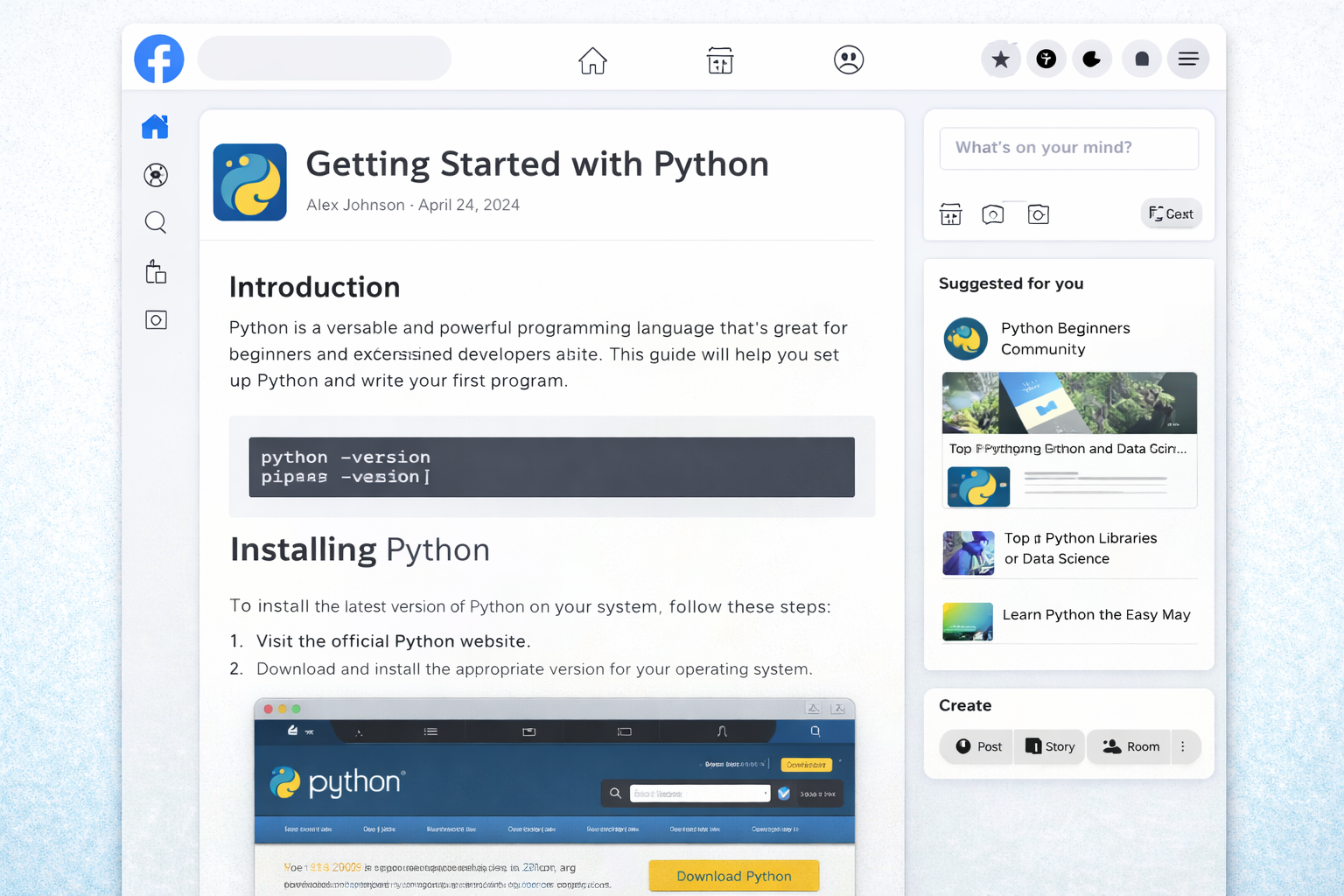 Example of a technical article hosted on a third-party platform
What “Owning Your Platform” Actually Means
Owning your platform does not mean:
- Building a custom CMS
- Managing servers
- Becoming a full-time blogger
It means something much simpler:
- You own the domain
- You own the content repository
- You control how content is structured, published, and archived
In practice, this often looks like:
- A static site (Jekyll, Hugo, Astro)
- Hosted on GitHub Pages or similar
- Content written in Markdown
- Version-controlled like documentation
For technical writers, this is a familiar workflow.
Why This Matters More Than It Seems
At first glance, platform ownership feels optional.
In reality, it affects how your work ages.
1. Platforms Are Temporary. Your Work Shouldn’t Be.
Third-party platforms change constantly:
- Algorithms shift
- Features are deprecated
- Content visibility fluctuates
- Entire platforms shut down
When that happens, your writing becomes collateral damage.
Owning your platform ensures:
- Your URLs remain stable
- Your archive remains intact
- Your work is accessible years later
For a profession centered on long-term clarity, this matters.
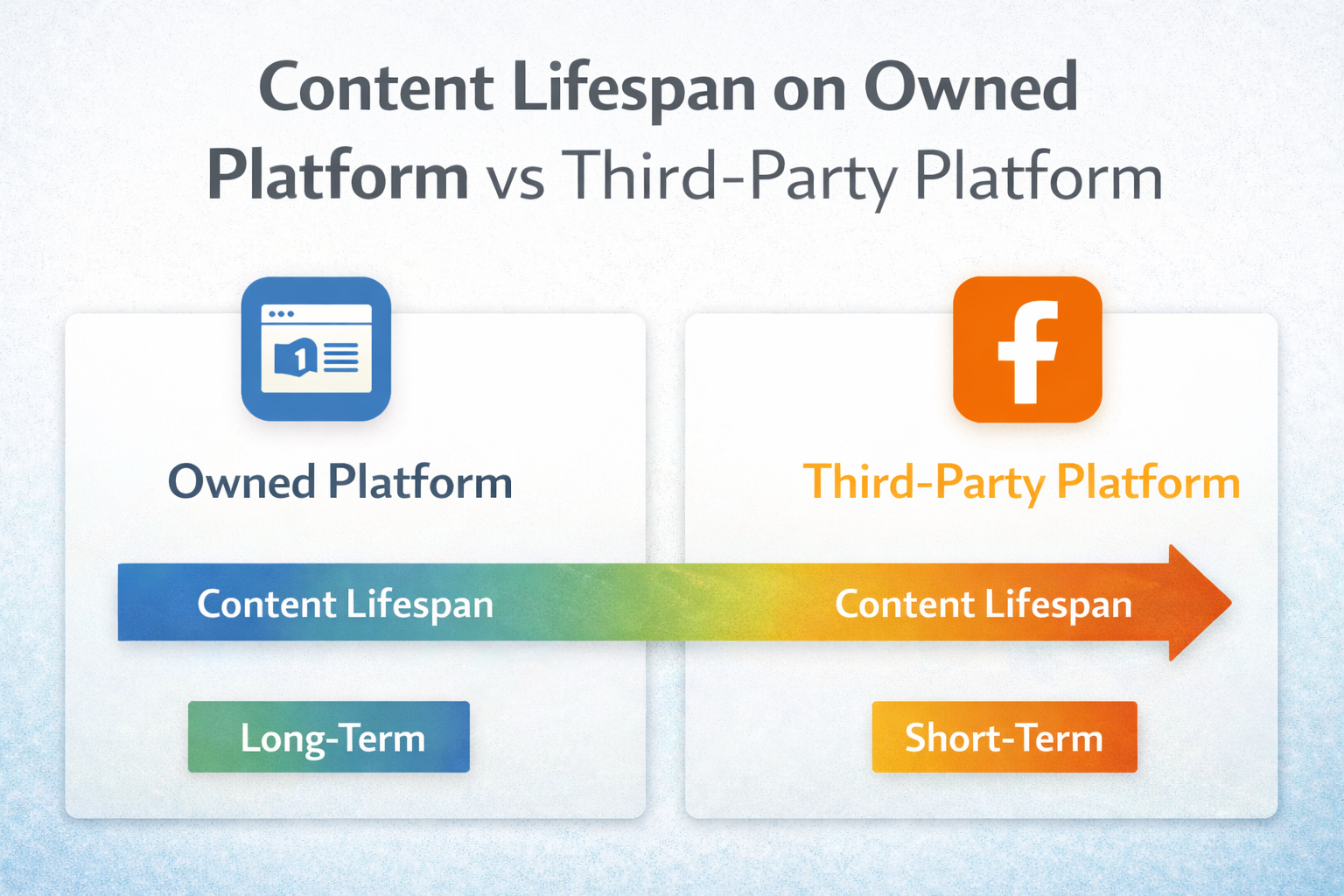 Content lifespan on owned platform vs third-party platform
2. Platform Constraints Shape How You Write
Every platform subtly influences content:
- Word limits
- Formatting restrictions
- SEO-driven layouts
- Engagement-driven prompts
Over time, writers unconsciously adapt-not to improve clarity, but to fit the platform.
When you own your platform:
- You choose the structure
- You decide how much context to include
- You write for understanding, not metrics
This is especially important for technical writing, where precision matters more than engagement.
3. Writing Becomes a Thinking Tool Again
When writing is tied to performance metrics:
- Views
- Likes
- Reads
- Shares
It slowly stops being about thinking.
Owning your platform removes that pressure.
Posts can be:
- Exploratory
- Iterative
- Long-form
- Opinionated but reasoned
Writing returns to what technical writers value most:
clarifying ideas-for themselves and others.
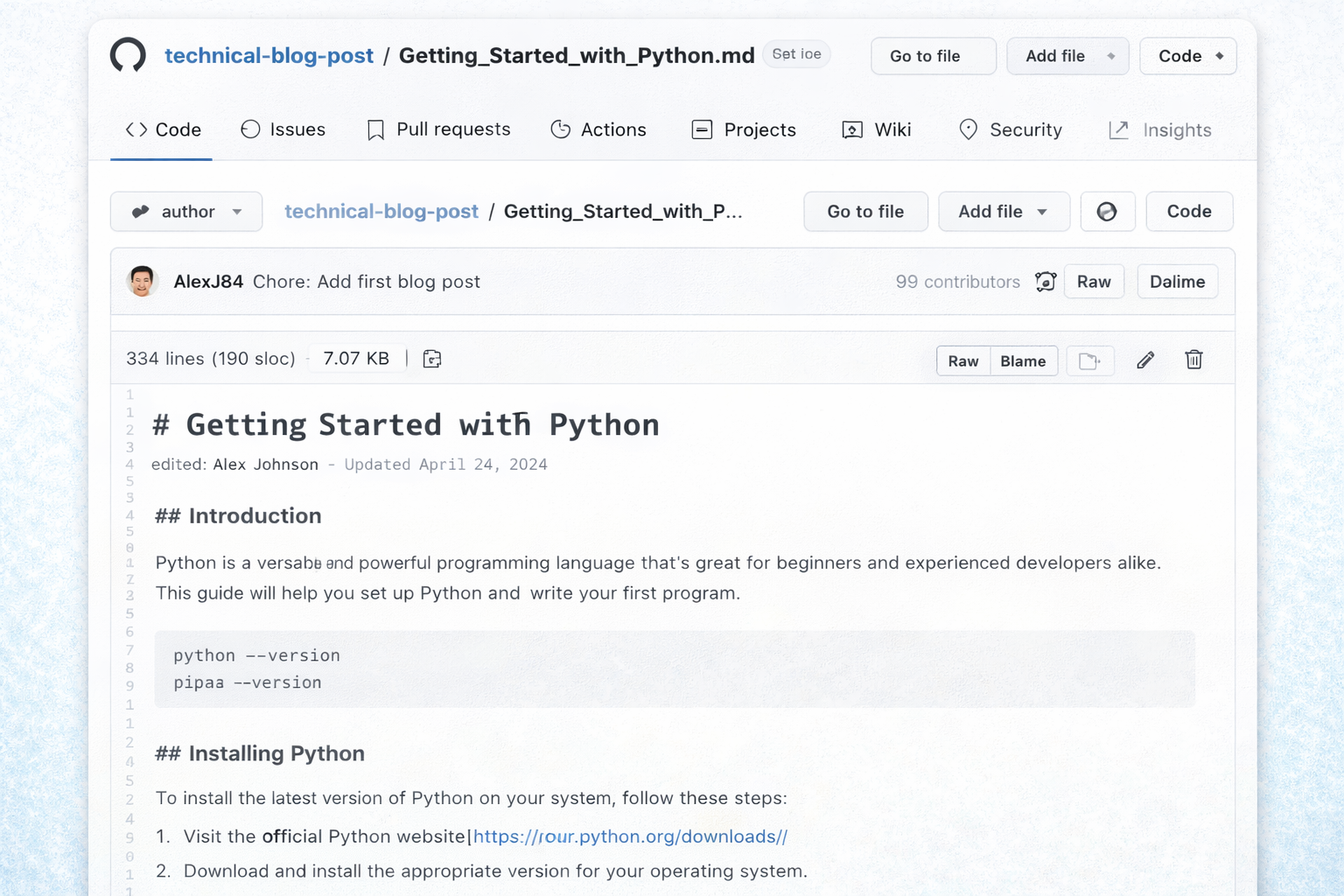 Markdown file of a technical blog post in a Git repository
4. Your Platform Becomes a Living Portfolio
A resume lists roles.
A portfolio shows outcomes.
An owned blog demonstrates:
- How you explain complex topics
- How you structure information
- How you reason through problems
- How you revise and refine ideas
Unlike samples hosted elsewhere, this portfolio:
- Is always available
- Is always current
- Reflects your voice, not a company’s
For experienced technical writers, this becomes increasingly valuable over time.
5. Ownership Encourages Better Writing Discipline
When content is yours:
- You care more about accuracy
- You revisit old posts
- You improve structure over time
- You refine rather than replace
This mirrors good documentation practices:
- Versioning
- Iteration
- Continuous improvement
Owning the platform reinforces professional habits-not vanity publishing.
Common Concerns (and Why They Don’t Hold)
1. “I don’t want to maintain infrastructure”
You don’t need to.
Static site generators + GitHub Pages require:
- Minimal setup
- No ongoing maintenance
- No backend management
2. “I don’t have time to blog consistently”
Consistency is optional.
Ownership is not.
An owned platform works even if you publish:
- Once a month
- Once a quarter
- Only when something is worth writing
3. “No one will read it”
That may be true at first-and that’s fine.
The goal is not immediate reach. The goal is long-term presence.
The Long-Term Payoff
Over time, an owned platform becomes:
- A knowledge archive
- A reference point
- A professional signal
- A place to think in public, safely
Most importantly, it becomes yours.
Closing Thought
Technical writers spend their careers advocating for clarity, structure, and ownership of knowledge.
Owning your platform is simply applying those same principles to your own work.
You don’t need to publish more.
You don’t need to publish faster.
You just need a place where your thinking can live-without expiration dates.
DraftRefine
Clear thinking. Refined writing.
 Creating a Technical Blog Using Jekyll and GitHub Pages